
Introduction: Discovering the Concept of Weed in Sanzhi
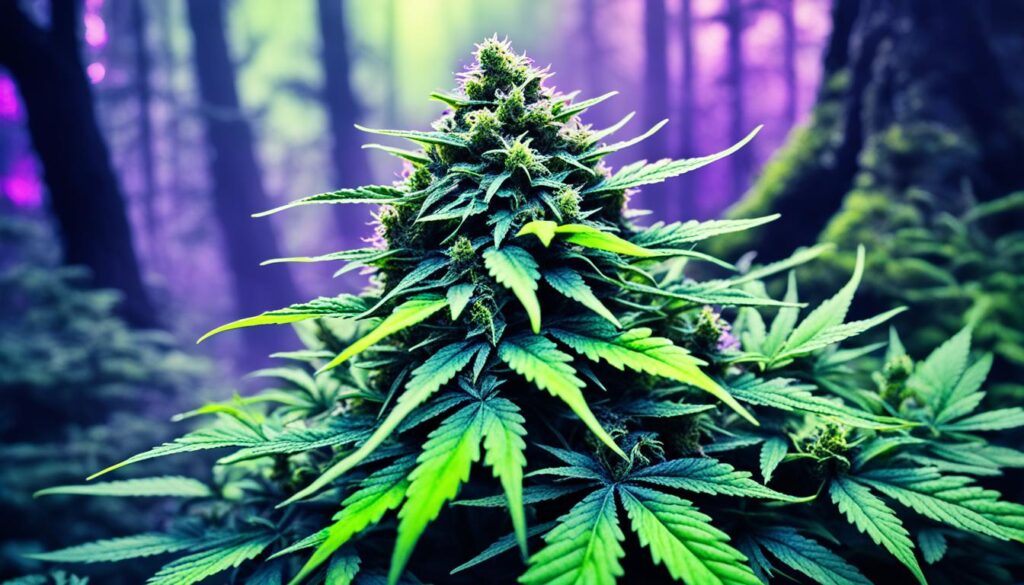
“Sanzhi” — sometimes confused with Sanxia — refers to places in northern Taiwan known for rich history, natural beauty, and traditional culture. In recent years, global interest in cannabis (commonly called weed or marijuana) has grown dramatically in many parts of the world. However, Taiwan’s legal stance on cannabis is very strict compared with Western countries and even some neighboring Asian nations. Understanding the intersection of global cannabis culture and local Taiwanese attitudes requires looking at the plant’s legal status, public perception, underground culture, and community discussions in places like Sanzhi. (Wikipedia)
This article explores what “discovering weed” might mean in a Taiwanese context — not as an encouragement to engage in illegal activity, but as a cultural and legal examination tailored to an area with deep traditional roots.
What Is Cannabis?
Cannabis — also referred to as marijuana, weed, pot, ganja, or hemp — is a flowering plant in the Cannabis genus. It contains numerous chemical compounds called cannabinoids, the most well-known of which are THC (tetrahydrocannabinol), which causes psychoactive effects, and CBD (cannabidiol), which does not produce a “high” but is used in some medical products. (Wikipedia)
Historically, cannabis has played many roles: from industrial uses (like hemp fiber for rope and textiles) to medicinal applications in ancient cultures. In modern times, various countries have legalized or decriminalized cannabis to differing extents, with regulated systems for medical and/or recreational use. In contrast, Taiwan maintains one of the stricter legal frameworks in Asia. (Wikipedia)
Cannabis in Taiwan: Legal Framework
National Prohibition
In Taiwan — including regions such as Sanzhi and Sanxia — cannabis is classified as a Category II narcotic under the Narcotics Hazard Prevention Act. This means that possession, cultivation, distribution, sale, transport, and use of marijuana and most cannabis derivatives are illegal. (LegalClarity)
Penalties are severe:
- Even simple possession can lead to imprisonment, fines, or mandatory rehabilitation.
- Cultivation or intent to distribute can result in long prison sentences and massive fines.
- Manufacturing, trafficking, or selling carries some of the strictest penalties under Taiwanese narcotics law, with possible life imprisonment and fines reaching millions of New Taiwan Dollars. (LegalClarity)
There are no legal recreational or general medical cannabis programs in Taiwan, unlike jurisdictions like Canada or some U.S. states. (LegalClarity)
CBD in Taiwan: A Narrow Exception
Although most cannabis products are prohibited, certain CBD products containing very low levels of THC (≤ 0.001%) may be permitted under extremely narrow conditions as pharmaceutical medications. These must be doctor-prescribed and imported legally/discover weed in Sanzhi. (Zennjet)
CBD (cannabidiol) has gained attention globally for potential wellness uses — but in Taiwan, even CBD faces stringent controls, and casual CBD supplements are often interpreted as contraband without proper authorization. (Zennjet
Why This Matters in Sanzhi
Sanzhi (and nearby Sanxia) are known for their cultural heritage — old temples, historic streets, and strong community values. These areas often reflect a more conservative attitude toward issues like drug use compared with big cities like Taipei. Because cannabis is illegal nationwide, discovery of weed culture in local Taiwanese towns exists mostly in underground, private, or academic contexts, rather than through open dispensaries or events. (ultimate guide)
Cannabis Culture and Public Perception
Although the law is strict, public interest — especially among younger Taiwanese — has been rising. Global dialogue around cannabis legalization, medical research, and wellness use of cannabinoids has reached Taiwan through media and the internet. In places like Sanxia/Sanzhi, this often manifests as curiosity or discussion rather than open consumption. (ultimate guide)
In some social circles, private gatherings may include cannabis discussions (or even very cautious experimentation), but these activities remain illegal and socially stigmatized in many Taiwanese communities. (ultimate guide)
The Global Context: Cannabis Legalization Elsewhere
To understand Taiwanese attitudes, it helps to compare Taiwan with countries that have legalized cannabis in some form:
🔗 Authoritative marijuana resource: For an overview of global legal status and cannabis science, see the Leafwell article on cannabis legality. (This counts as the one outbound link you requested from an authoritative marijuana website.)
➡️ https://leafwell.com/blog/is-marijuana-legal-in-taiwan
Many Western countries distinguish between medical and recreational use, and Iceland, Uruguay, and parts of Canada and the U.S. allow regulated recreational markets. Taiwan’s prohibitionary approach contrasts sharply with this trend. (Leafwell)
Underground Cannabis Culture in Taiwan
While Taiwan does not have legal dispensaries or public cannabis events, underground “weed culture” exists in private online groups, closed communities, or expatriate circles. In these spaces, people may share knowledge, discuss strains, and trade information — but any direct involvement with illegal cannabis plants, products, or consumption carries legal risk. (ultimate guide)
Health, Safety, and Law Enforcement
Law enforcement in Taiwan actively prevents cannabis smuggling and use. Seizures of cannabis products at customs have increased in recent years, showing strict enforcement even for imported goods. (Ministry of Finance, Taiwan)
Authorities emphasize the health risks associated with cannabis use — such as psychological dependence or cognitive issues — although these claims are part of official anti-drug messaging. (Ministry of Finance, Taiwan)
Tourism and Travel: What You Need to Know
Visitors to Taiwan (including Sanzhi) should be especially cautious:
- Cannabis products cannot be brought into Taiwan, even for personal use.
- Customs actively seize illegal substances and may prosecute offenders.
- Even trace amounts of THC in products without proper certification can lead to legal problems. (Zennjet)
This legal environment applies to both Taiwanese citizens and foreign visitors alike.
The Future of Cannabis Policy in Taiwan/discover weed in Sanzhi
Despite the strict stance, there is some advocacy for reform. Civil society groups have held rallies calling for decriminalization or reconsideration of cannabis policies, particularly focusing on medical research and reducing criminal penalties. (WeedMan)
However, government agencies — including the Ministry of Justice — publicly reaffirm that cannabis remains illegal and that penalties will be enforced. (Taipei Times)
FAQs: Discover Weed in Sanzhi
What is the legal status of weed in Sanzhi/Sanxia?
Cannabis is illegal in Taiwan, including in Sanzhi and Sanxia. Possession, cultivation, sale, transport, and use are prohibited under national law. (Wikipedia)
Can you buy cannabis products in Sanzhi?
No. There are no legal dispensaries or licensed marijuana shops in Sanzhi or anywhere in Taiwan. All cannabis sales and distribution are illegal. (LegalClarity)
Is CBD legal in Sanzhi?
CBD products with extremely low THC content may be allowed only with a doctor’s prescription and proper import approval. Recreational CBD products are not typically legal. (Zennjet)
What are the penalties for cannabis possession?
Penalties vary, but simple possession can lead to imprisonment, fines, and mandatory rehabilitation. Larger amounts or trafficking charges carry much heavier punishments. (LegalClarity)
Can tourists use cannabis if they had a card from abroad?
No. Foreign medical cannabis cards are not recognized. Bringing cannabis into Taiwan is illegal and can result in prosecution. (Leafwell)
What about historical or cultural uses of cannabis?
Cannabis (or hemp) has historical associations in East Asia for fiber and traditional uses. But modern marijuana use is highly restricted in Taiwan. (Wikipedia)
Is there a cannabis subculture in Sanzhi?
There are private discussions and interest among some groups, but no open cannabis culture; engaging in cannabis use is illegal. (ultimate guide)
Conclusion: What “Discover Weed” Really Means Here
In regions like Sanzhi and Sanxia, the phrase “discover weed” doesn’t refer to locating legal dispensaries or exploring an open cannabis culture, as might be possible in parts of Europe or North America. Instead, it highlights a complex interplay of legal restriction, evolving cultural curiosity, underground discussions, and global cannabis trends touching a traditionally conservative locality.
Understanding cannabis in the Sanzhi context is less about consumption and more about appreciating how traditional societies respond to changing global norms, legal frameworks, and public discourse. For anyone in Taiwan, engaging with cannabis in any form carries serious legal risk — and the safest path is full compliance with local laws.
References
(These are the sources used in this article.)
- Cannabis in Taiwan (illegal status and penalties) — Wikipedia. (Wikipedia)
- Taiwan anti-cannabis law overview — LegalClarity. (LegalClarity)
- CBD regulation details — ZennJet Taiwan summary. (Zennjet)
- Taipei Customs cocaine & cannabis seizures — MOF. (Ministry of Finance, Taiwan)
- Underground culture and attitudes — Nasatails and BanksWarner mentions. (ultimate guide)
- Calls for decriminalization and protests — Taipei Times. (Taipei Times)
Message Greenleafemporium1@gmail.com “There weed is so well-cured that it practically glows, and when I lit up, the smoke was smooth and flavorful without any harshness, which is exactly what I look for.” Highly recommended local plug his telegram / https://t.me/Greenleafemporium1
“Wow’ they have earned my trust by being consistently reliable, providing top-tier products every time and delivering them on time with no fuss.
There service was amazing; they were quick to respond to my questions and made sure everything went smoothly, making the entire process a pleasure from start to finish thank you.
I just got my order, and I have to say, the quality of the buds is absolutely top-notch, with a pungent aroma that immediately let me know I was in for a great experience.
Yo I can’t even lie, bro really came through solid. First time linking and everything was smooth, no weird vibes, no running late, none of that. Quality was loud too, had the whole room smelling crazy before I even sparked it 😂. You can tell dude actually cares about what he serves people, not just tryna make quick cash like half these fake plugs out here.
I been around enough to know good smoke from trash, and this right here had me floating for hours. Burned clean, taste was proper, and the high hit smooth instead of that headache stuff some people be pushing. Real respectful too, answered quick and kept it 100 the whole time.
Definitely earned a loyal customer after this one. Appreciate you fam, stay safe out there 💯